Fire & Warmth
Complete fire and warmth guide — fuel types, stove crafting, body temperature management, and night survival tips.
Quick Tips
Why This Matters
Fire is the single most critical survival mechanic in the game. Without fire, your body temperature drops rapidly at night, leading to hypothermia and death within minutes. Managing fuel supply and fire maintenance is the key difference between survivors and casualties.
Key Data
| Fuel Type | Burn Time | Temp Bonus | Availability |
|---|---|---|---|
| Wood | ~30 sec | +10° | Abundant |
| Cloth | ~60 sec | +15° | Moderate |
| Fuel Item | ~120 sec | +25° | Rare |
Mechanics Deep Dive
Body Temperature Bar: Your body temperature operates on a visible gauge. The warning threshold activates around 30%, flashing to alert you. Below 15%, you enter the danger zone where hypothermia damage begins. At 0%, you die within seconds. The drain rate increases each successive night as the Arctic cold intensifies through the week.
Fuel Burn Mechanics: Each fuel type has a different burn time and heating output. Wood burns for roughly 30 seconds providing +10° warmth. Cloth burns for about 60 seconds with +15°. Fuel items are the premium option at roughly 120 seconds and +25° warmth. Stacking fuel extends burn time — you can load multiple units before nightfall.
Stove vs Campfire: A stove costs extra materials to craft but significantly improves fuel efficiency — each unit of fuel burns approximately 50% longer and provides wider heating radius. A campfire is free to build but requires more frequent refueling. For any run past Day 2, crafting a stove is one of the highest-impact investments you can make.
Night Temperature Penalty: Each night gets progressively colder. Night 1 drains temperature at a manageable rate, but by Night 5-6, the drain rate doubles. This means your fuel consumption increases dramatically each night — stockpiling fuel early in the week is critical. Plan to have 2-3x your normal fuel reserves by Day 4.
Frequently Asked Questions
How do I keep my fire burning all night?▾
What is the best fuel type?▾
When does body temperature drop?▾
Does a stove improve fire efficiency?▾
Key Decisions
Campfire or Stove?
Campfire — free, builds instantly
Stove — costs materials but more efficient
Craft the stove by Day 2. The fuel efficiency savings compound over the entire week, saving you dozens of gathering trips. The campfire is only acceptable for your very first night before you have materials.
Wood or Cloth for overnight fuel?
Wood — abundant, easy to gather
Cloth — burns longer per unit
Use cloth for overnight burns. Each cloth unit burns twice as long as wood, meaning fewer refueling trips at night when exposure is deadliest. Save wood for daytime gathering and crafting.
When to refuel?
Proactive — refuel before temperature drops
Reactive — refuel only when warning appears
Always refuel proactively. Waiting for the temperature warning means you're already losing heat. Add fuel when the bar is above 50% to maintain a safe buffer, especially at night when the drain rate is fastest.
⭐ Fire & Warmth

Survive 7 Days In Arctic Fire and Warmth Guide — Fuel Types, Stoves, and Body Temperature
Keeping your fire burning is critical to survival in Survive 7 Days In Arctic. Learn fuel types, fire maintenance routines, stove crafting for better efficiency, and how to extend periods between refuels during the coldest nights.
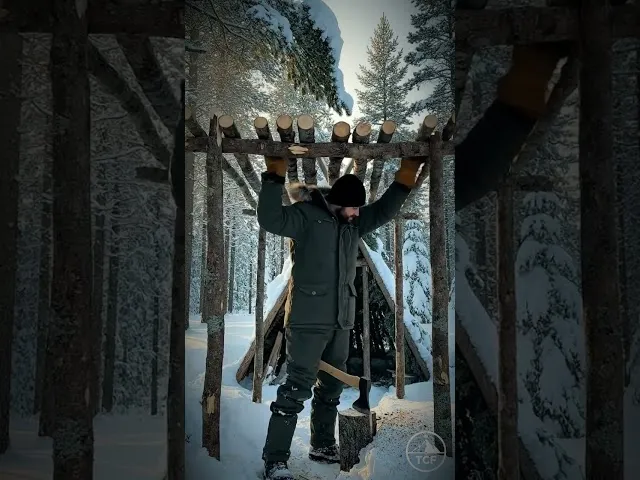
Survive 7 Days In Arctic Fire Fuel Efficiency — Maximize Burn Time and Stay Warm
Learn how to maximize fuel efficiency in Survive 7 Days In Arctic. Fuel types comparison, stove crafting tips, and strategies to extend periods between refuels during the coldest nights.

Survive 7 Days In Arctic Hypothermia Prevention — Cold Survival Mechanics Explained
Hypothermia is the number one killer in Survive 7 Days In Arctic. Learn how body temperature works, hypothermia prevention strategies, and what to do when you are freezing.
Fire
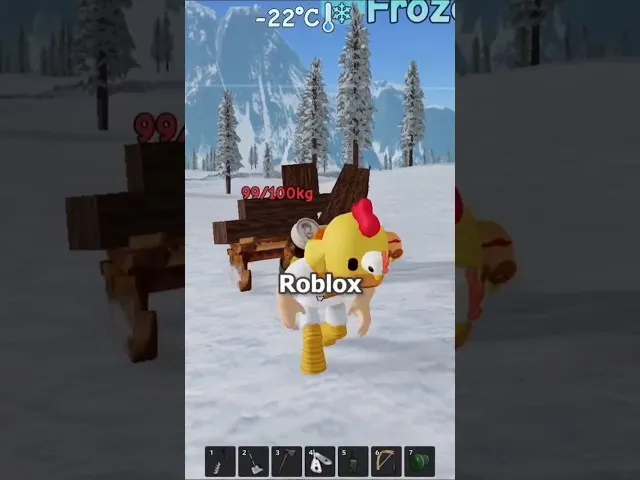
(2)
Survive 7 Days In Arctic Campfire vs Stove — Which Heating Method Is Best?
Compare campfire and stove in Survive 7 Days In Arctic. Learn the fuel efficiency, warmth radius, and crafting cost of each heating method to choose the right one.
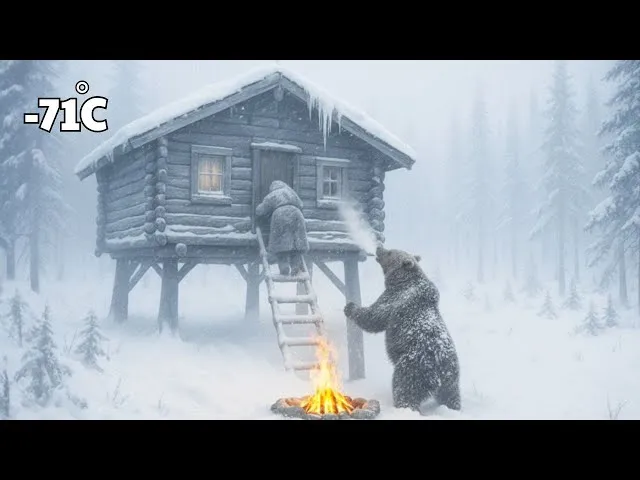
Survive 7 Days In Arctic Fire Rotation Shifts — How to Keep Your Fire Burning 24/7 in Multiplayer
Master fire rotation shifts in Survive 7 Days In Arctic multiplayer. Learn the best shift patterns, communication tips, and emergency protocols so your team's fire never goes out.